
Indonesia · Yogyakarta & Surroundings
Yogyakarta Beyond the Icons
Look beyond Yogyakarta’s headline landmarks to a journey where temple heritage, living city culture, countryside, cave landscapes and the southern coast can share one thoughtful rhythm.
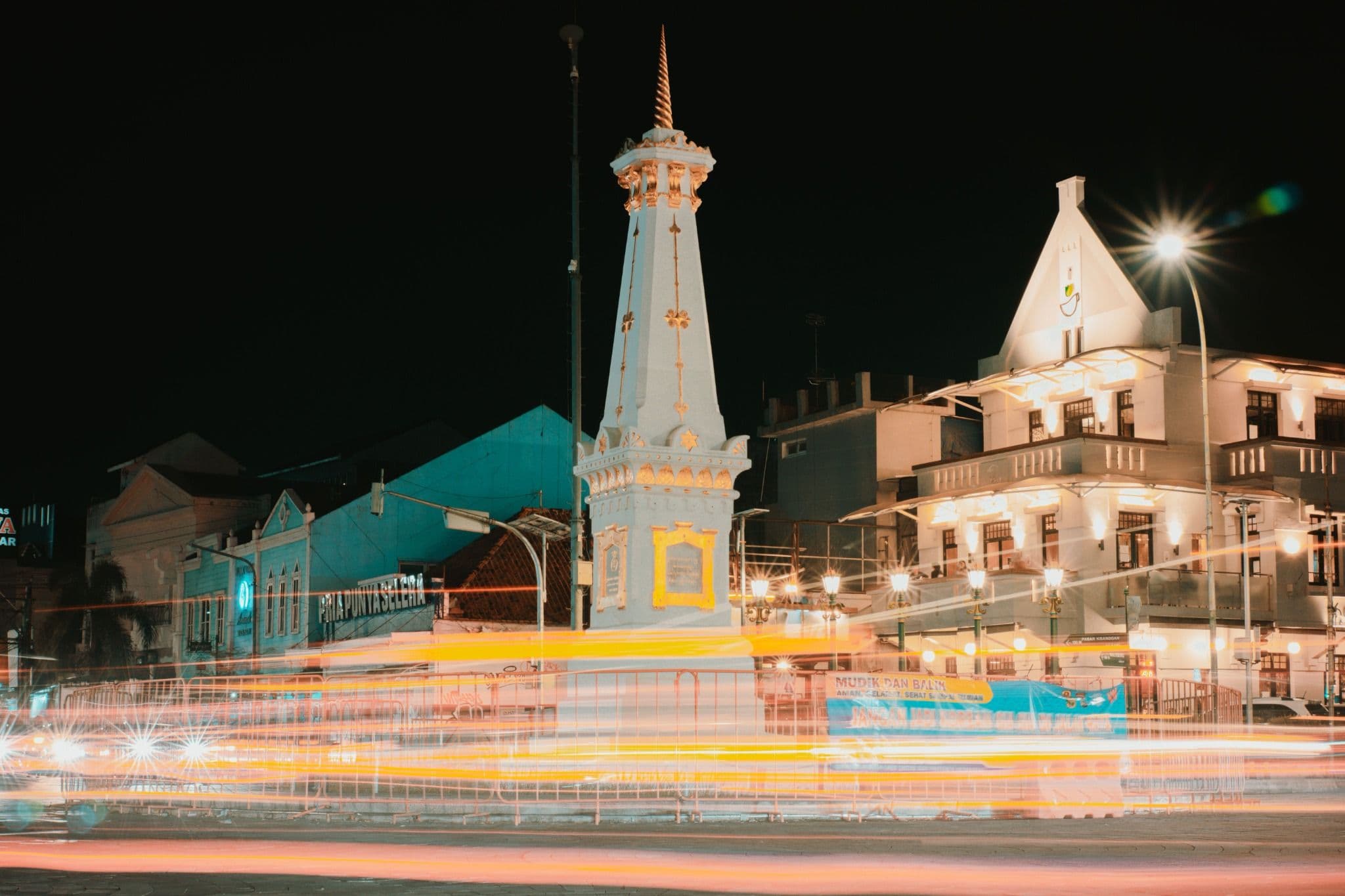
Yogyakarta is easy to recognise through a handful of famous images. The more interesting journey begins when those icons become anchors rather than a checklist — points within a wider landscape of temples, neighbourhoods, fields, limestone country and the Indian Ocean coast.
The icons are the beginning, not the whole story
Prambanan and Borobudur can give a journey its strongest visual landmarks, but they do not need to dominate every hour around them. Their settings invite a broader reading of the region: temple corridors, smaller heritage sites, villages, cultivated land and roads that gradually change character as the city falls away.
Near Prambanan, a place such as Plaosan can shift the mood from monument to landscape. Around Borobudur, the surrounding countryside can do the same. The value lies less in adding another stop than in allowing the transition between major sites to become part of what you notice.
Move between heritage and everyday Yogyakarta
Back in the city, Yogyakarta’s royal and neighbourhood heritage adds a different scale. The Kraton, Taman Sari and Kotagede can be approached not as isolated historic objects, but as parts of a city where cultural institutions, craft, commerce, homes and contemporary life continue side by side.
This is where a slower pace earns its place. A short conversation, a walk between buildings, time spent understanding a craft tradition or simply watching how a neighbourhood functions can reveal more than another rushed landmark. Current visitor rules, cultural protocols and operating arrangements should always be checked when the journey is being shaped.
Let the landscape change the journey
South and east of the city, Yogyakarta’s geography changes the texture of a day. Limestone country, caves and the roads toward Gunungkidul introduce a more physical kind of discovery. Cave tubing at Goa Pindul, where appropriate to current conditions and operating guidance, can bring water, geology and movement into a journey that may otherwise feel heritage-led.
Continue toward the southern coast and the landscape opens again. Drini and the surrounding coastal area bring sea air, rock formations and a horizon that feels far removed from central Yogyakarta. Weather, sea conditions and local operations matter here, so coastal and outdoor experiences should stay flexible rather than be treated as guaranteed fixed-time components.
Contrast is what gives the journey character
The strongest version of this journey is not built around one theme. It moves between monumental heritage and ordinary streets, between cultivated countryside and limestone terrain, between enclosed caves and an open coast. Those contrasts make Yogyakarta feel like a region rather than a single city break.
Contemporary viewpoints and leisure stops can also have a place when they match the traveller’s interests, but they work best as changes of pace rather than compulsory highlights. A sunset stop, a relaxed village setting or an evening panorama can create breathing room between more context-heavy visits.
Who this journey may suit
Yogyakarta Beyond the Icons is a good fit for travellers who still want to see the region’s defining landmarks but do not want the trip to become a race between them. It suits curious first-time visitors, returning travellers looking for a wider frame, and small groups or families comfortable with days that mix culture, road time and outdoor experiences.
It may be less suitable for someone whose priority is to minimise travel time or focus deeply on only one theme. The route becomes more rewarding when there is enough room to pause, adjust for conditions and let different parts of the region have their own tempo.
Shape the journey, not a fixed package
There is no required sequence. Temple heritage can be paired with countryside on one version of the journey; city heritage can lead toward the coast on another. Outdoor experiences can be added or removed according to weather, energy levels and interests. Arrival point, accommodation location and onward travel also change what order makes sense.
What should stay consistent is the rhythm: avoid stacking every possible attraction into the same day. Give major heritage sites enough attention, leave margins around longer road sections, and keep weather-sensitive experiences genuinely flexible. The goal is not to reproduce somebody else’s itinerary, but to build a Yogyakarta journey that feels coherent for the traveller taking it.
Planning note
This is travel inspiration and a planning starting point, not a confirmed itinerary, fixed package, guaranteed ticket, confirmed price, availability promise or Supplier commitment. Site access, outdoor conditions, transport and operating details should be verified when the journey is designed.
Plan This Journey — share your dates, pace and interests so Yogyakarta can be shaped around what you want to understand and experience.
A journey concept is inspiration and a planning starting point. It is not a confirmed itinerary, fixed package, guaranteed departure, or confirmed fare — we shape the details together.